
My Journey into Ketosis
Nov 18, 2026
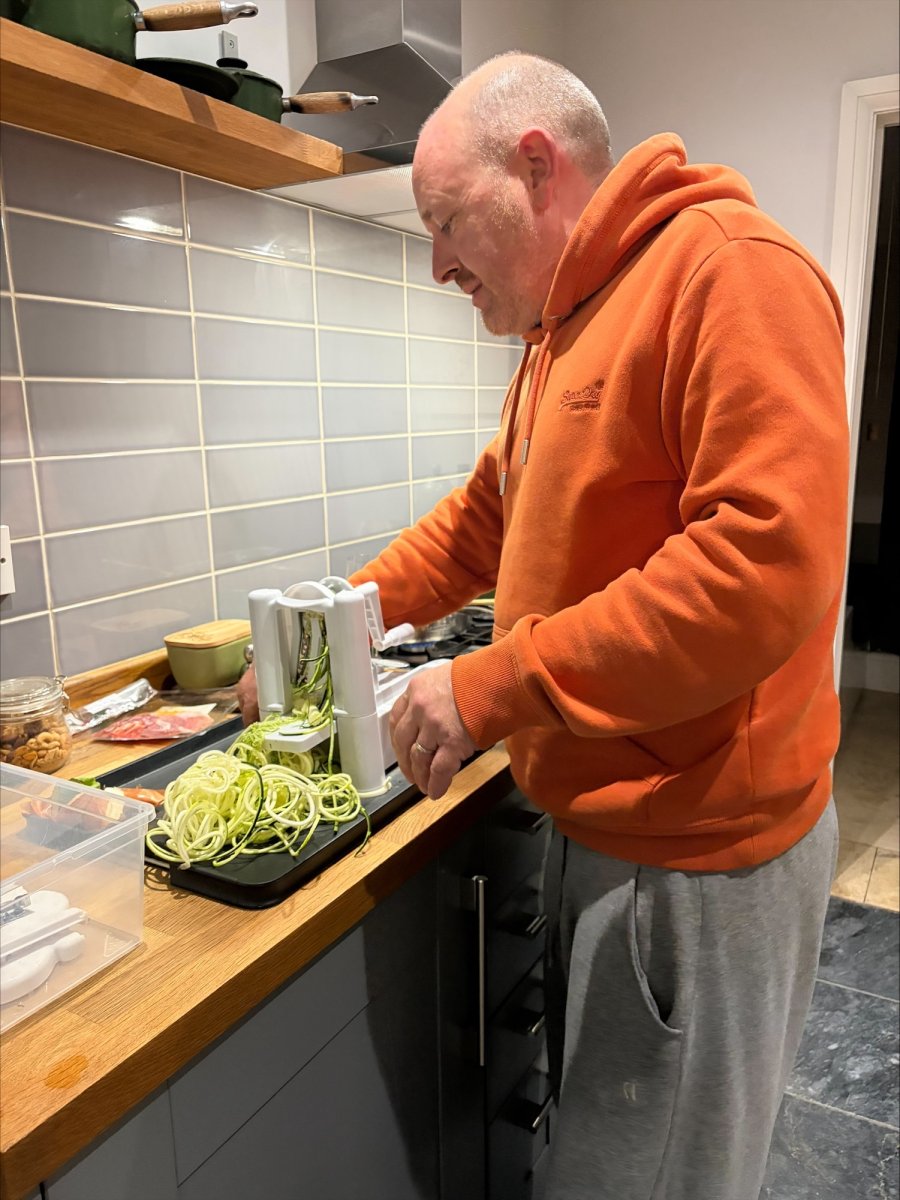
My journey with ketosis started about 10 years ago.
My husband Jake and I watched a programme about diets and decided to give the keto diet a go. We followed a three-week bone broth diet, fasting for 24 hours twice a week. I was cooking up batches of chicken stock to drink on our fasting days and in between meals.
My keto journey began before I had trained as a nutritional therapist.
We lost a lot of weight and spent three weeks without alcohol, carbohydrates, gluten or dairy. We looked and felt great!
My eating habits changed forever after those three weeks. The biggest change was breakfast, which I now always prioritise.
Jake and I continued to do the three-week keto bone broth diet regularly. September and January became our preferred times for a bit of a dietary reset. We always benefited from doing it, but we never experienced the same dramatic changes in our bodies as we had the first time.
Finding a sustainable approach
In January 2026, we decided to follow a low-carbohydrate diet from Monday through to Friday lunchtime. Gradually, though, we slipped back into eating carbohydrates. Travelling back to Australia in July, along with the change in time zones, didn't help!
In September 2026, we decided to follow KetoFlex 12/3 permanently. I had completed my Bredesen protocol training in November 2025 where I learnt how to support clients to follow this way of eating. Keflex 12/3 or the ReCODE diet is a mildly ketogenic, heavily plant based, nutrient dense diet which emphasises non starchy vegetables, adequate protein and plenty of healthy fats.
Why did we decide to change the way we eat forever? We changed because of our long-term health as well as how being I ketosis feels. For me, ketosis brings more energy, motivation, a spring in my step, and more productivity. The combination of a 12 hour overnight fast, exercise, and the ketogenic way of eating all combine.
I’ll never forget just how amazing ketosis can feel. I had just been around the block with the dogs and walking down the hill an overwhelming feeling of wellbeing came over me. No drugs just a natural healthy high.
We're finding KetoFLEX quite easy. Any cravings we previously had for bread have now passed. What felt like torture 10 years ago – walking into a supermarket and smelling freshly baked bread – is now a thing of the past!
My experience and professional training
I have now had over 10 years of personal experience practising a ketogenic diet.
Alongside my own experience:
I support clients who want to eat this way, following KetoFlex 12/3.
I have undertaken formal training in which foods to include as part of a low-carbohydrate and ketogenic diet.
When it comes to KetoFLEX either used for dementia prevention or with someone with a diagnosis of dementia, ketosis isn’t necessarily the end goal. Eating this way is about restoring metabolic health. If you have diabetes or prediabetes, this way of eating is all about restoring you back to factory settings. It really does work. Once insulin sensitivity is restored and glucose is well controlled, this way of eating can be cycled in and out of.
Cycling in and out of ketosis
Switching between ketones and glucose for energy is possible once metabolic health is restored. Jake and I will introduce more starchy vegetables, quinoa and beans to have a few more carbs. Jake had a naan bread while we were out for an Indian but the next day, he got straight back on the low carbohydrate way of eating.
For some people with cognitive health decline, cycling out of ketosis brings a loss in clarity of thought so it may be preferable to stay in ketosis all the time.
Further Support
If anyone would like support to follow a KetoFLEX way of eating, I offer weekly or fortnightly 40-minute appointments to support you with this change.
I also have my own online store ‘Nicolle’s Keto Pantry’ opening soon. This brings all the hard-to-find products under one roof on my website. This move to have an online store felt essential for supporting my clients.